
The Importance of Deep Cleaning Matters in Everyday Life
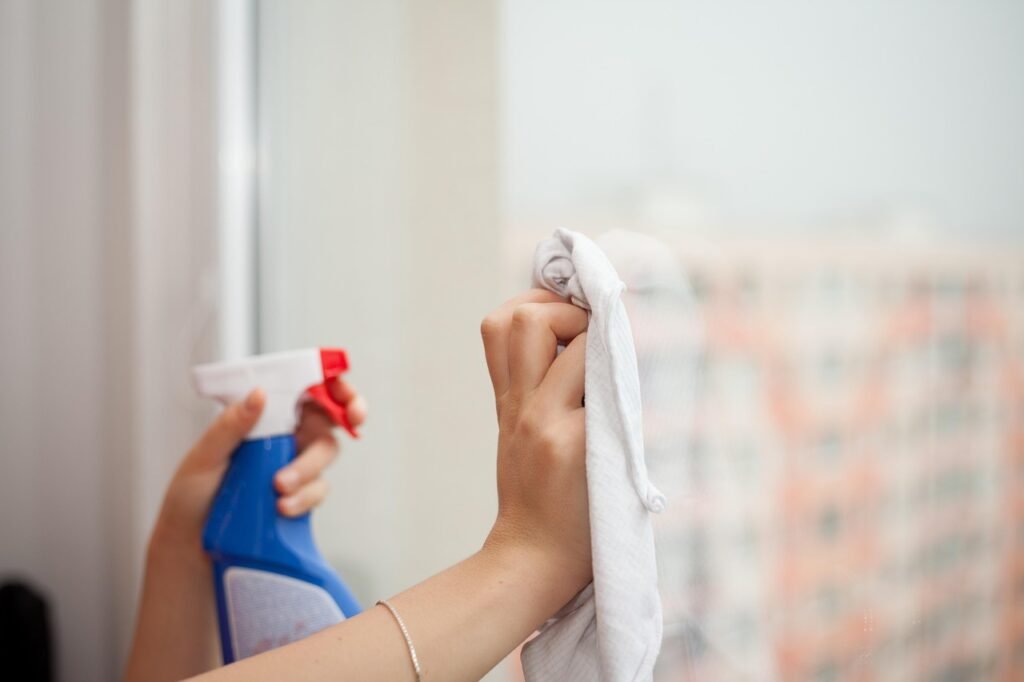
Understanding Deep Cleaning: What It Is and Why It Matters
The Importance of Deep Cleaning Matters in Everyday Life – Deep cleaning is a thorough and comprehensive cleaning process that extends beyond routine cleaning practices. While regular cleaning typically involves surface-level tasks such as dusting, vacuuming, and sweeping, deep cleaning dives deeper into the hidden spaces and nooks that often accumulate dirt, grime, and allergens over time. This particular cleaning method is essential for maintaining a healthy and hygienic environment, both in residential and commercial spaces.
The significance of deep cleaning cannot be overstated, particularly in our current context where cleanliness plays a crucial role in public health. Deep cleaning effectively targets harmful pathogens and allergens, offering a more profound level of sanitation. This is especially vital for individuals with allergies or respiratory issues, as these hidden irritants can significantly affect their wellbeing. Regular cleaning may not adequately eliminate these harmful substances, making a deep cleaning regimen indispensable.
Moreover, deep cleaning can enhance the overall aesthetic of a space. By addressing areas that may have been neglected during routine cleaning, the environment becomes more pleasant and inviting. From homes to offices, a clean space not only boosts appearance but also improves mental focus and productivity. A clean workplace has been linked with higher employee morale and lower absenteeism, underscoring the benefits of implementing deep cleaning strategies in both personal and professional settings.
In addition to health benefits, consistent deep cleaning can prolong the lifespan of furniture, carpets, and other household items. By removing ingrained dirt and contaminants, deep cleaning protects the investment made in these items, ultimately leading to significant savings over time. Thus, understanding and prioritizing deep cleaning is essential for fostering a healthy, safe, and aesthetically pleasing environment.
The Health Benefits of Deep Cleaning
Deep cleaning plays a vital role in fostering a healthier indoor environment by significantly reducing allergens, bacteria, and viruses that can lead to various illnesses. Unlike regular cleaning, deep cleaning delves into the nooks and crannies of household surfaces, carpets, and furniture, effectively eliminating dirt and grime that may otherwise go unnoticed. This meticulous approach is particularly beneficial for individuals suffering from respiratory issues, including asthma and allergies, where indoor air quality is paramount.
Research indicates that common allergens, such as dust mites, pet dander, and mold, can trigger asthma attacks and worsen symptoms in sensitive individuals. By regularly engaging in deep cleaning practices, homeowners can drastically decrease the presence of these irritants, thereby improving overall air quality. This reduction not only aids those with pre-existing conditions but also contributes to the general well-being of all occupants within the home.
Moreover, the act of deep cleaning can have profound psychological benefits. A clean and organized living space often translates to decreased stress levels and increased productivity. Clutter and disarray can contribute to feelings of anxiety and distraction, while a tidy environment promotes a sense of calm and control. This emotional impact is significant, particularly for individuals who are managing mental health conditions.
In light of these advantages, it becomes evident that deep cleaning is not merely a chore but an essential component of a healthy lifestyle. Investing time in deep cleaning not only safeguards the physical health of individuals but also nurtures their mental well-being, making it a practice that should be prioritized in everyday life.

How Often Should You Deep Clean? | Effective Deep Cleaning by Bell’s Organic Maids
Deep cleaning is essential for maintaining a healthy environment, whether in homes or workplaces. The frequency of deep cleaning depends largely on the usage and exposure of various areas and items to dirt and germs. For high-traffic areas such as hallways, living rooms, and kitchens, it is recommended to engage in deep cleaning at least once every three to six months. Regular maintenance and surface cleaning activities can only do so much, and a thorough deep clean is necessary to eliminate accumulated dirt and pathogens.
Bathrooms require more frequent deep cleaning to combat bacteria and mold growth. A bi-monthly schedule is advisable, ensuring that both surfaces and hidden areas like behind the toilet and under the sink receive attention. Appliances like microwaves, ovens, and refrigerators should be deep cleaned at least quarterly, since spills and food residues can create environments conducive to germ proliferation.
Special items like carpets and upholstery, which can harbor dust mites and allergens, should undergo deep cleaning at least once or twice a year, ideally in spring or fall. Utilizing professional cleaning services for these items can ensure a more thorough process, breathing new life into your furnishings.
In workplaces, a schedule of deep cleaning every six months is typically sufficient, though areas with a higher concentration of employees, such as break rooms and restrooms, should be prioritized and cleaned quarterly. For shared items like office equipment, implementing daily wipe-downs can minimize transfer of germs.
Lastly, consider adopting a seasonal deep cleaning practice to maintain cleanliness effectively. Such a systematic approach ensures that overlooked areas and items do not accumulate dirt, enhancing overall hygiene and longevity of your belongings.
Tips and Tricks for Effective Deep Cleaning | The Importance of Deep Cleaning Matters in Everyday Life
Deep cleaning is an essential part of maintaining a healthy living space, and applying effective strategies can streamline the process significantly. One of the first steps is to arm yourself with the right tools and products. Invest in a quality vacuum cleaner with attachments for various surfaces, microfiber cloths for dusting, and a flexible mop designed for deep cleaning. Natural cleaners, such as vinegar and baking soda, are versatile and can tackle stains and odors effectively without harsh chemicals.
Organizing your cleaning process can save time and ensure thoroughness. Start by creating a cleaning checklist that outlines each room or area to be cleaned. Tackle one space at a time, beginning with the highest traffic areas such as the kitchen and bathroom. In the kitchen, focus on countertops, appliances, and the sink, ensuring that all surfaces are adequately sanitized. For bathrooms, prioritize the toilet, shower, and floor; using disinfectants will help eliminate germs effectively.
Involving family members or colleagues can make deep cleaning less daunting and more collaborative. Assign specific tasks to each person – one can handle floors while another tackles windows or surfaces. This not only distributes the workload but also fosters a sense of shared responsibility and teamwork. Set a timer for each task to create a sense of urgency that can motivate everyone to work efficiently.
Another useful technique is to declutter as you deep clean. Removing unnecessary items from a space opens up opportunities for deeper cleanliness and ensures that areas are not just superficially attended to. By breaking your deep cleaning into manageable chunks and utilizing effective tools and teamwork, you can maintain a pristine environment with less stress.
Thanks for reading “The Importance of Deep Cleaning Matters in Everyday Life” by Bell’s Organic Maids!
We hope you have found this article helpful. Please consider reaching out to us about your deep cleaning needs. Plus, check out our Instagram page today!
[gh_form id=”25″ theme=”default” accent_color=”#0073aa”]